
Recharge & Restore: 20% Off NAD, Detox & Recovery IVs — Book Now
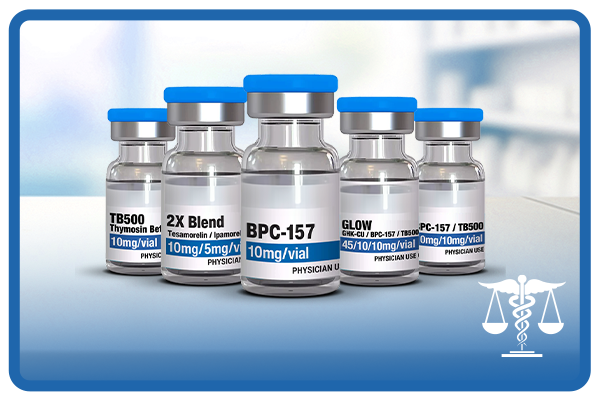
Peptides are short chains of amino acids that act as signaling molecules within the body. They help regulate essential biological processes such as hormone signaling, immune modulation, tissue repair, metabolism, and neurological function. When administered under medical supervision, peptide therapy may support targeted physiological functions and overall health optimization. All peptide protocols are customized and overseen by licensed medical providers.
A Personalized, Provider-Led Treatment Model

Each patient begins with a comprehensive medical consultation to evaluate health history, symptoms, & appropriateness for peptide therapy.

Peptides are selected by a licensed provider based on clinical findings, lab data when applicable, & individual health goals.
Follow-up visits ensure treatment effectiveness, side-effect management, & continued safety.

Peptide therapy is integrated with nutrition, lifestyle guidance, and complementary wellness services to support long-term outcomes.

Peptide therapy is not recommended for everyone. Contraindications, side effects, and expectations are reviewed during consultation.
EXCELLENTTrustindex verifies that the original source of the review is Google. Absolutely hands down the best wellness place ever. All the staff are amazing and so helpful. Can always reach someone via text and set appointments very easily. Extremely accommodating telehealth visits when I can't make it to the office! Love this place!!!Posted onTrustindex verifies that the original source of the review is Google. Excellent experience, very caring and attentive staff. They made my first IV vitamin drip very comfortable.Posted onTrustindex verifies that the original source of the review is Google. Going to Balanced Health and Wellness was fantastic! the staff was soooo nice and Gianna was so gentle with my lip filler. it looks gorg and i would recommend 1000000% !!Posted onTrustindex verifies that the original source of the review is Google. Really nice staff, clean place… they made the process very easy.Posted onTrustindex verifies that the original source of the review is Google. Very professional wellness center for feeling your best self!Posted onTrustindex verifies that the original source of the review is Google. Amazing staff and they make You feel at homePosted onTrustindex verifies that the original source of the review is Google. Highly recommend Balanced Health & Wellness. The team is warm, professional, and truly takes the time to tailor their approach to each client. You can feel how much they care. Exceptional service from beginning to end.Posted onTrustindex verifies that the original source of the review is Google. 11/10! Staff is wonderful!Verified by TrustindexTrustindex verified badge is the Universal Symbol of Trust. Only the greatest companies can get the verified badge who has a review score above 4.5, based on customer reviews over the past 12 months. Read more
Reach out today to schedule your appointment, ask about our holistic health services, or learn more about medical weight loss, peptide therapy, IV infusions, and hormone optimization in Long Beach and surrounding communities.
Peptides are smaller versions of proteins, typically 2–50 amino acids long, that the body naturally uses as hormones, neurotransmitters, and cellular messengers. In peptide therapy, carefully selected synthetic versions of these molecules are given to enhance or correct existing pathways, such as stimulating growth hormone release, supporting tissue repair, or modulating immune and inflammatory responses.
Peptides work by binding to specific receptors on target cells, triggering signaling cascades that influence cellular activity rather than acting as a direct “drug” themselves. Because each peptide targets particular receptors, they can offer focused effects—for example on metabolism, collagen production, or recovery—while generally minimizing impact on unrelated systems.
Most people begin to notice early changes, such as energy, sleep, or mental clarity, within about 1–2 weeks of consistent peptide use, though this varies by peptide and individual factors. More visible or structural changes—like body composition shifts, skin quality, or tissue healing—often take several weeks, with fuller effects developing over 1–3 months of ongoing therapy.
Response time depends on the goal (for example, acute injury vs. long-term optimization), overall health, and adherence to the recommended protocol. Peptides generally exert cumulative benefits over time by supporting underlying cellular and hormonal balance rather than working as an instant fix.
In the United States, many therapeutic peptides are regulated as drugs and are only legally available by prescription from a licensed healthcare provider. FDA-approved peptide medications can be prescribed for recognized medical indications, and some additional peptides may be accessed through compliant compounding pharmacies under medical supervision.
There is also a “research use only” market for unapproved peptides sold online, which are not legally intended for human use and lack the quality control, dosing oversight, and safety monitoring provided in a supervised medical setting. Working with a qualified clinician helps ensure peptides are selected, dosed, and monitored appropriately within current regulatory and safety standards.
Peptides are commonly integrated with other therapies—such as hormone replacement, nutrition and exercise programs, regenerative injections, or aesthetic treatments—to amplify overall results. Because they act on signaling pathways that control recovery, metabolism, and tissue repair, they often complement rather than replace existing care plans when coordinated properly.
However, combining therapies should always be planned and monitored by a healthcare professional who understands potential interactions, overlapping effects, and contraindications. A personalized approach allows dosing, timing, and treatment duration to be adjusted so peptides support other modalities safely and effectively.
Many clinics recommend baseline and follow-up lab testing—especially when peptides may influence hormones, metabolism, or immune function—to help tailor dosing and monitor safety. Common evaluations can include hormone panels, metabolic markers, inflammatory markers, and other tests relevant to the specific peptide protocol and health goals.
While not every peptide strictly requires extensive lab work, using objective data allows a provider to individualize therapy, refine the regimen, and identify any unintended changes early. For best practice, decisions about which labs are needed and how often they are repeated are made collaboratively between patient and clinician based on medical history and treatment plan.